How to use this book
The Pathwork Guide says the unconscious has its own language. The Pathwork teachings have their own language as well.
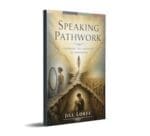
The purpose of Speaking Pathwork is to help us become fluent in it.
When we learn to recognize how these words and teachings are alive in us—not as labels, but as living experiences—we are no longer a stranger to our own soul.
Words carry meaning
The Guide often changed the words he used, even when pointing to the same thing. This was intentional. He taught that when the meaning of a word gets lost, the word dies. It becomes little more than a label we repeat without thinking.
Many Pathwork terms carry far more meaning than they first appear to. This book is designed to bring that meaning to life by showing these words in context and from multiple perspectives.
Each entry begins with a brief explanation, followed by passages gathered from Bones that flesh out the meaning. By better understanding the Pathwork Guide’s language, we can understand the teachings in Bones more fully.
Why the Guide uses unusual words
Some of the Guide’s terms are unique to Pathwork. Others are familiar words that carry a very different meaning here. The goal is not to memorize definitions but to recognize these living patterns within ourselves.
As we explore other Phoenesse books, we can return to this companion guide whenever we want to deepen our understanding.
Learning any new language takes time, persistence and repetition. Don’t expect to retain it all at once. Let yourself learn by applying the teachings, and keep them alive by living them—and speaking them.
Words don’t stand alone
This reference guide is organized alphabetically. As you become more familiar with seeing these words in the Pathwork Guide’s teachings, as in Bones, you will start to notice which words belong together. What is their relationship to each other?
Begin to notice how they naturally create systems.
- The Mask System
Idealized Self-image → Pseudo-solutions → Mask Self - The Wound System
Soul Dent → Pain → Feelings → Inner Child → Images - The Resistance System
Lower Self → Negative Intention → No-current → Pleasure Principle - The Awareness System
Observer → Awareness → Meditation → Truth

We can also use these words to create maps that show how we move through the first stage of spiritual healing. Here, for example, is one way to identify the key steps of the spiritual journey:
Life
↓
Pain
↓
Images
↓
Mask
↓
Lower Self
↓
Awareness
↓
Truth
↓
Freedom
(Waking Up)
As you become familiar with the words in this book, pay attention to how these maps come to life. Because they describe patterns that live inside each one of us.
The teachings build
Bones explores what the Guide often called the first stage of spiritual development: clearing away the obstacles that separate us from truth. As those obstacles are gradually removed, the journey naturally enters a second movement—learning to trust and surrender to the divine guidance within. That later phase is explored more fully in After the Ego and Get a Better Boat.
The teachings in Bones, then, are not the whole journey. But they are steps we can each walk to eventually reach our final destination.
And what is that? To wake up to the truth of who we are.
If you are ready to embark on this quest, you can start right now by learning to speak the language of the Pathwork Guide.


Real.Clear. series | Holy Moly • Finding Gold • Bible Me This • The Pull • Pearls • Gems • Bones • Nutshells • Speaking Pathwork
We Can Heal | After the Ego • Blinded by Fear
All essays | Get a Better Boat • Living Light • Latest essays
Self.Care. series | Spilling the Script • Healing the Hurt • Doing the Work
More books | Walker • Word for Word • Spiritual Laws • Keys
To share, choose your platform